
What Do Inspectors Look for During a Rental Property Inspection?
Most landlords worry about failing an inspection simply because they don't know what's actually being checked. That uncertainty is often the real source of stress, more than the inspection itself, and it usually disappears once you understand the process. The good news is that a Rental Inspection Checklist covers the same core areas every time: safety equipment, exits, plumbing, electrical systems, and general condition. Once you know what's on that list, inspection day stops feeling like a guessing game.
Here's a room-by-room breakdown of what inspectors actually look for, and how to get ahead of it, so nothing feels unexpected when the day finally arrives.
Why Rental Inspections Matter
Rental inspections exist to keep housing safe, not to catch landlords off guard. Cities that run these programs are checking for basic livability standards, nothing more, and most spell out those requirements clearly so owners know what to expect going into a visit.
Properties that get regular upkeep rarely run into problems on inspection day, and inspectors are generally there to help you get compliant, not to find reasons to fail you. Treating the visit as routine maintenance, rather than a test to pass or fail, makes the whole process easier for everyone involved.
Smoke Detectors and Safety Equipment
Safety equipment is the foundation of every rental inspection, and it's usually the quickest section to prepare for if detectors are already in place and working.
This is usually the first thing checked. Inspectors look at:
● Working smoke detectors in every required room
● Fresh batteries, not just a unit that's mounted but dead
● Carbon monoxide detectors, especially near gas appliances or attached garages
● Fire extinguishers, where required, checked for current inspection tags
Clear and Working Exit Routes
Exit routes matter just as much as detectors, since a working alarm means little if tenants can't actually leave the unit quickly during an emergency situation.
Every bedroom needs a way out that doesn't rely on a hallway or another room. During this part of the visit, inspectors confirm:
Windows used as emergency exits open freely and aren't painted shut
Escape windows are large enough to meet code
Hallways, stairs, and exterior doors stay clear of clutter
Nothing is blocking a path to the outside
This isn't about tidiness. It's about making sure someone can get out fast if there's a fire.
Plumbing Condition
Plumbing problems are common but rarely dramatic, and most get flagged because small leaks or drips were never addressed before the inspector walked through the unit.
Expect the inspector to run faucets, flush toilets, and check under sinks. What they're looking for:
● Leaks, drips, or water stains around fixtures
● Mold or mildew near sinks, tubs, and toilets
● Water heaters vented properly and set to a safe temperature
● Slow drains or signs of long-term water damage
Small plumbing issues rarely fail an inspection on their own, but a handful of them together will show up on the report. A quick walk-through with a flashlight before the inspector arrives catches most of it.
Electrical Safety
Electrical issues carry real safety risk, so inspectors spend extra time checking for outdated wiring, overloaded circuits, and anything that looks like a makeshift fix.
Outlets, switches, and fixtures all get a look. Common flags include:
● Damaged outlets or missing cover plates
● Exposed wiring anywhere in the unit
● Extension cords being used as permanent wiring
● Missing GFCI protection near sinks, tubs, or exterior outlets
● Panels that look overloaded or unsafely modified
Structural and Exterior Checks
Exterior conditions affect tenant safety too, especially stairs, railings, and walkways, so inspectors take a walk around the property before wrapping up the visit inside.
The inspection usually doesn't stop at the front door. Outside, expect a look at:
● Handrails on stairs and porches
● Condition of decks, steps, and railings
● Visible roof damage or missing shingles
● Siding, paint, and general upkeep of the grounds
● Gutters that are sagging or pulling away from the structure
None of these feel urgent on their own, but they're the kind of items that show up on almost every report when left alone too long.
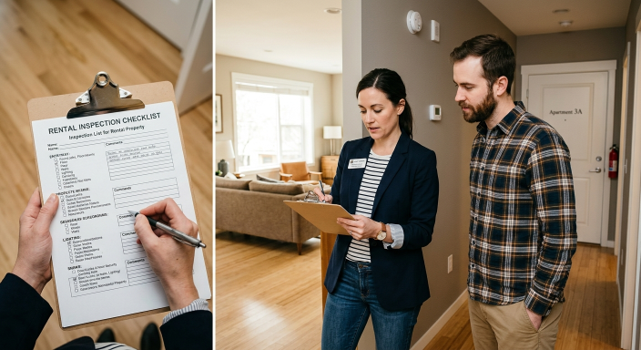
Building Your Own Checklist Before Inspection Day
The easiest way to prepare is to walk the property yourself using the same Inspection List for Rental Property the inspector will use. Combining that list with a few simple rental property inspection tips makes the whole process faster. A simple version looks like this:
● Test every smoke and carbon monoxide detector
● Run every faucet and check under every sink
● Flip every light switch and test outlets near water
● Open every window used as an emergency exit
● Walk the exterior for loose railings, damaged siding, or roof issues
Doing this a week or two ahead gives you time to fix small problems before they land on a report. Keeping the same list on hand year-round, not just before a scheduled visit, keeps a property in good shape without the last-minute scramble.
What Happens After the Inspection
Once the visit wraps up, expect a report listing anything that needs attention along with a timeframe to fix it. Most items are minor: a dead battery, a loose cover plate, a dripping faucet. Larger issues, if any come up, usually get a reasonable window before a follow-up visit confirms the repairs.
There's no reason this process should feel like a trap. A straightforward inspector explains what was found and what's needed, without adding pressure or pushing unnecessary extra work.
Final Thoughts
Smoke detectors, exits, plumbing, electrical safety, and general upkeep make up the bulk of what gets checked during a rental inspection, and none of it requires a major overhaul if a property has been reasonably maintained. Walking through your unit with a rental inspection checklist before the inspector arrives is the simplest way to catch small issues early and keep the process moving smoothly.
At Rolen Inspections, that's the whole approach: a clear checklist, honest communication, and no surprises on inspection day.
FAQs
1. How often are rental inspections required?
This depends on your city's rental registry program. Some require annual inspections, others less often. Check your local housing authority for the exact schedule for your property.
2. Can a tenant refuse a scheduled inspection?
Tenants generally can't refuse an inspection if proper notice was given under local law. Most jurisdictions require landlords to provide advance written notice before entering.
3. What happens if my property fails part of the inspection?
You'll typically get a report listing the issues along with a timeframe to fix them, and a short follow-up visit to confirm the repairs are done.
4. Do I need to be present during the inspection?
It depends on the inspector and local requirements. Some allow property managers or tenants to provide access, while others prefer the owner attend, especially the first time.
5. Are minor cosmetic issues enough to fail an inspection?
Usually not. Inspections focus on safety and livability rather than appearance, so worn paint or flooring rarely causes a failure unless it creates a real safety concern.


Comments